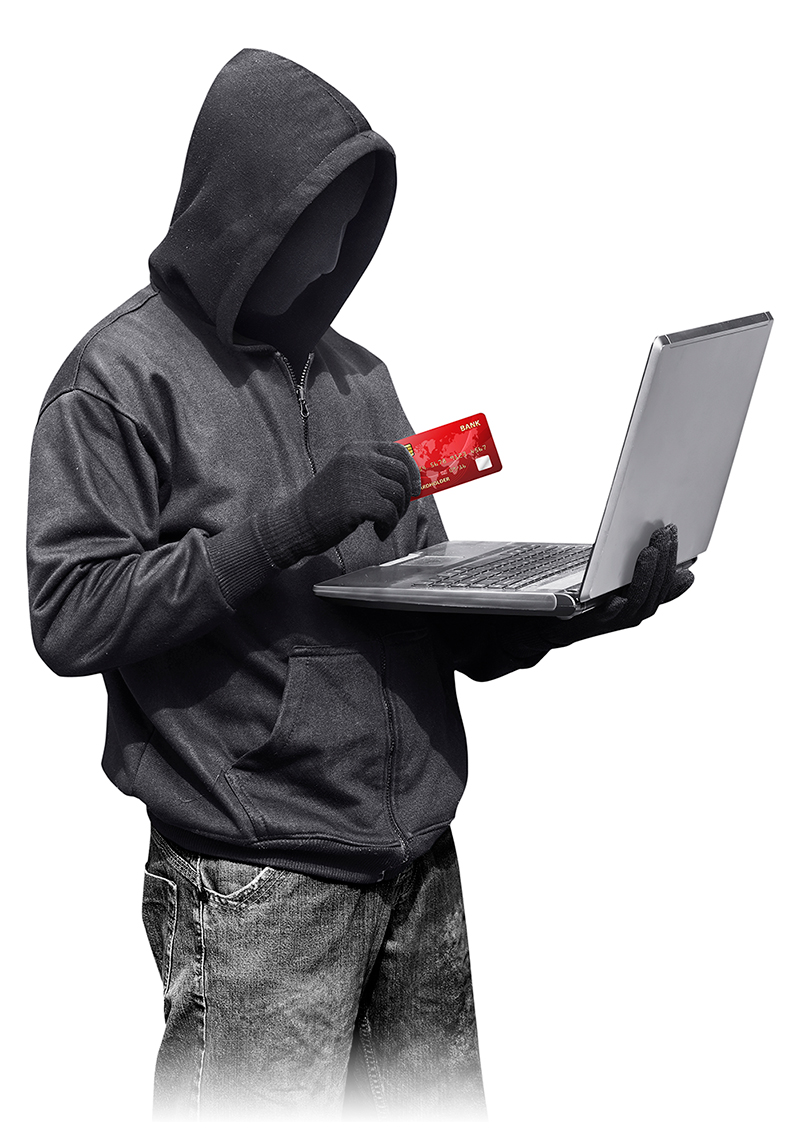
Coronavirus and the increase in malware attacks that threaten your business
Whether or not the massive boost to the “work from home” population continues as lockdown eases, it’s clear that this enforced change has had a massive impact. And it’s unlikely that everyone who used to be permanently based in an office will want to go back to that, now that they’ve proven they can work perfectly well from home.
But how will that affect cybersecurity? A global pandemic brings out both the best and worst in human behaviour. On the positive side we have seen entire countries standing outside their front doors and on their balconies - clapping and cheering on their health workers. And on the negative side, there are those whose goal is to be disruptive.
Cybercriminals are looking to capitalise on current events, and with people working from home, away from the more secure environment of their workplace, it’s the ideal time for them to target you and your workforce.
Those cybersecurity companies that monitor the global threat environment have seen a significant increase in attacks with a coronavirus theme. When you have a nervous global population who are anxious to stay up to date with news and health advice, of course this targeting makes sense.
One security software company, Check Point, found that more than 4,000 coronavirus-related website domains have been registered across the globe, with 3% definitely malicious, and another 5% suspicious.
Coronavirus and the increase in malware attacks that threaten your business
With cyber criminals and hacking groups aiming to take advantage of this crisis via phishing and malware attacks, it pays to be on your guard - and to train your staff to do the same. But it also pays to have the right protection in place, should anyone in your team mistakenly click on a link in one of these emails.
So far these scams have included emails that appear to be from the World Health Organization (WHO), the US Centre for Disease Control and other official looking bodies who claim to be offering updates on the pandemic. These emails are bogus and users are at risk of losing either cash or sensitive data, if they click.
These fraudsters have even promoted (fake) antiviral equipment and asked for bitcoin funding for vaccine research (also fake).
Some of these attacks involve a malware downloader, which installs an infostealer that can capture screenshots, monitor their clipboard, log keystrokes, clear browser cookies (so that the user has to re-enter all of their passwords, which can then be logged) and also downloading and executing malicious files.
This should make it clear that, once again, prevention is much better than cure when it comes to these kinds of attacks.
What threats do you need to look out for?
The threats you need to look out for are:
- Email scams - have you educated your team and do you have protection in place?
- Weakened security controls - because your members of your team are on their home WiFi.
- Attacks on remote-working infrastructure - do you have adequate protection in place?
If you’d like to find out more about how to protect your company from this growing threat, or you simply have some questions, please get in touch.
Call 020 3745 6630, email mail@ingenious.co.uk or fill in the form below.